Rheumatology
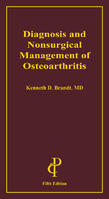
Pathogenesis of OA, common diagnostic pitfalls, case presentations, synovial fluid analysis, joint imaging, joint protection, and nonmedicinal therapy are reviewed. Recommendations for systemic and local pharmacologic therapy are presented, along with a rational strategy for therapy of OA pain. A section of the book is devoted to pharmacologic modification of tissue damage of OA.
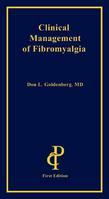
In the United States alone, 3 to 6 million people have fibromyalgia. Fibromyalgia is the most common cause of generalized pain in general medical practice. Primary care physicians and specialists are often uncomfortable making the diagnosis and uncertain how to proceed with a therapeutic plan. This handbook is timely, with the availability of newer pharmacologic choices for the treatment of fibromyalgia and related disorders. The majority of patients with fibromyalgia will be treated by primary care physicians and this handbook should be especially helpful to improve their skills in understanding, diagnosing, and treating this illness.
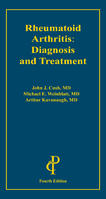
Reviews the importance of early treatment of RA, appropriate testing and imaging to be employed, and outcomes data on the treatment of early and established RA. Clinical evaluation is presented, including lab findings, joint scoring, diagnostic criteria, and radiographic outcomes. The rationale and data supporting early treatment of RA are reviewed. The appropriate use of disease-modifying antirheumatic drugs (DMARDS) as monotherapy and in combination is presented.
The use of TNF inhibitors in the treatment of RA is reviewed in detail, including pivotal clinical trials data. Separate chapters are dedicated to interleukin-1 inhibitors, B-cell targeted therapies, T-cell pathway blockers, interleukin-6 inhibitors, and kinase inhibitors. The clinical efficacy, dosing, indications for use, mechanisms of action, side effects, and safety of all these biologic therapies are reviewed in detail. In addition, the appendix contains a how-to guide for setting up an early arthritis clinic.
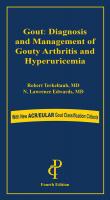
Gout: Diagnosis and Management of Gouty Arthritis and Hyperuricemia distills the genetic, translational, and clinical research advances during the last decade and presents state-of-the-art treatment modalities including improved and novel evidence-based strategies and therapies, into a concise reference. Patient education, a key aspect of the success of gout management, is presented focusing on the questions that patients most ask and care about. Pharmacologic urate-lowering therapy, gout flare prophylaxis, and difficult to treat gout are covered in detail in separate chapters. Comprehensive gout management guidelines are included. Numerous 4-color illustrations are utilized to convey key concepts.
.jpg)
Provides detailed clinical guidance on the management of ulcerative colitis by disease severity. Clinical presentation and diagnosis criteria are presented along with epidemiology, etiopathogenesis and environmental risk factors. The book contains the 2019 American College of Gastroenterology Ulcerative Colitis Treatment Guidelines. Disease management based on disease severity with separate chapters are devoted to each class of medications including aminosalicylate, corticosteroids, immunomodulators, and biologics. Comorbidities are reviewed in detail as is health maintenance for the ulcerative colitis patient.
(PSOR4).jpg)
Coauthored by a rheumatologist and a dermatologist, this handbook provides guidance on the diagnosis, clinical presentation, and treatment of psoriatic arthritis and psoriasis. All available medications and therapies are covered in the book, including a review of their clinical trial data, comparative effectiveness, adverse events, and prescribing information.
One purpose of this handbook is to address the educational need for dermatologists who treat psoriasis to detect and refer for treatment psoriatic arthritis, and an educational need among rheumatologists to better understand and treat (or refer for treatment) psoriasis. To this end, this handbook includes a dedicated chapter on how to coordinate management of the two conditions between the two specialties.
_Page_001.jpg)
Ankylosing spondylitis (AS) and related forms of spondyloarthritis (SpA) are, as a group, as common as rheumatoid arthritis (RA). Their presenting clinical manifestations are wide-ranging and heterogeneous, and the patients end up seeing a variety of medical and surgical health care professionals before they get diagnosed. Early diagnosis and effective management can mitigate the severity of the disease, and make a meaningful difference in the lives of these patients.
This book provides evidence-based, practical information on all aspects of AS - Axial SpA, with emphasis on clinical features, pointers for early diagnosis, and comprehensive coverage of current treatment options, including the latest biologic therapies.